Why MenoExperts: hormones are not a side interest here. They are the specialty.
Most menopause care is delivered by clinicians for whom hormones are one topic among many. We built a center where they are the entire discipline.
The difference, in one table
Most menopause care is delivered by clinicians for whom hormones are one topic among many. Endocrinologists train specifically in the body's hormone systems — estrogen and progesterone, but also thyroid, insulin, cortisol, and the hormones that govern bone and metabolism. In midlife these systems change together.
| Symptom-focused menopause care | Endocrine-led menopause care | |
|---|---|---|
| Primary goal | Relieve hot flashes and immediate symptoms | Relieve symptoms and manage long-term bone, heart, and metabolic health |
| Evaluation | Symptom history | Symptom history plus thyroid, metabolic, lipid, and bone risk assessment |
| Thyroid & diabetes | Referred elsewhere | Managed by the same physician, in the same plan |
| Bone health | Often addressed after a fracture | Screened and treated before one |
| Weight & metabolism | General advice | Medical evaluation and treatment of midlife metabolic change |
| Time horizon | The next refill | The next thirty years |
An established medical practice, not a subscription app.
The menopause arm of an established practice
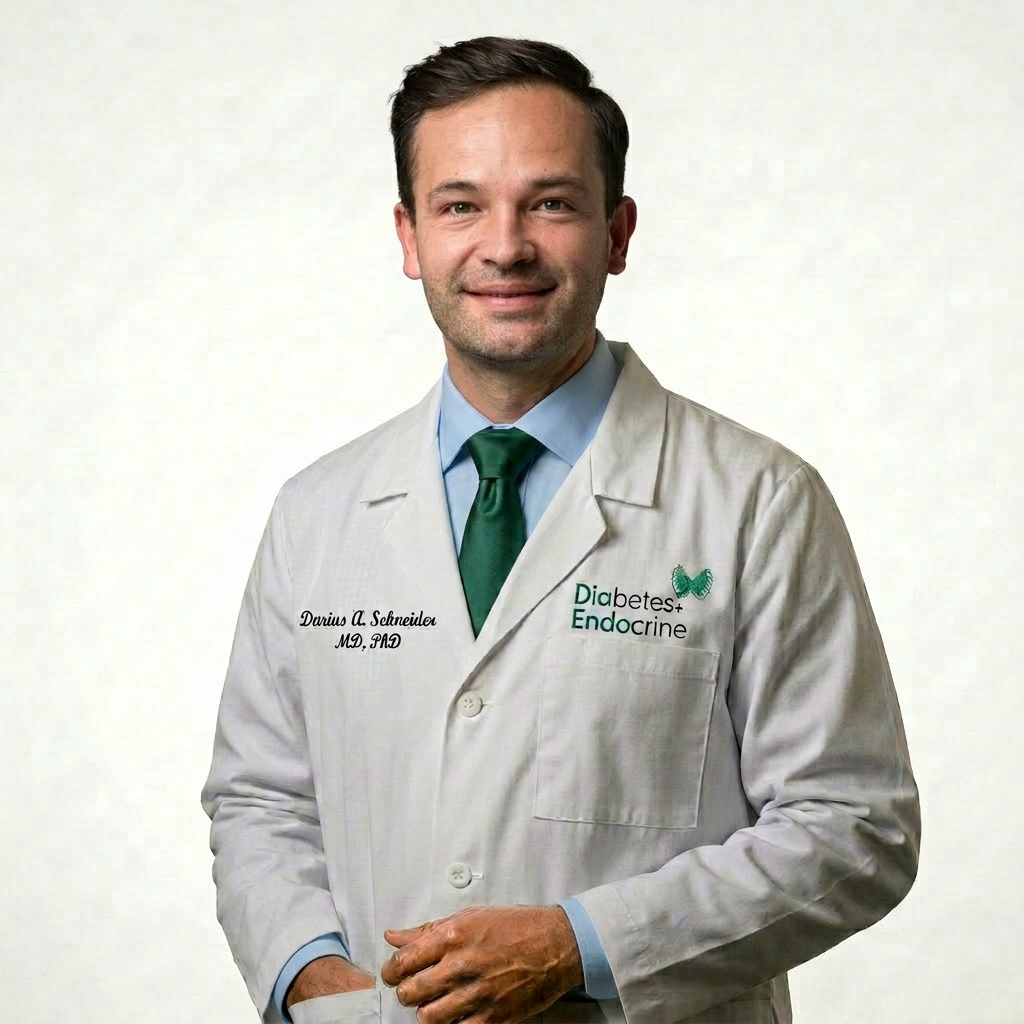
MenoExperts is part of Diabetes and Endocrine Specialists, an established San Diego endocrine group with three offices, in-office diagnostics, and a research program. Continuity of a physician-led practice — not a telehealth queue.
Evidence over merchandise
No pellets, no proprietary supplement lines, no anti-aging promises. FDA-approved therapies, society guidelines, and honest boundaries — including "no treatment" when that is the right answer.
Insurance-based care
We work with most major insurance plans, including Medicare — not a cash-pay membership model. How billing works →
Who benefits most from starting here
Many women do well with their OB/GYN or primary care clinician. An endocrinologist adds the most value when the picture is complicated: thyroid disease, diabetes or prediabetes, significant weight change, osteoporosis risk, premature or surgical menopause, treatment that hasn't worked, or a history that makes HRT decisions harder. If your menopause care keeps generating referrals to other specialists, it may be simpler to start where those threads come together.